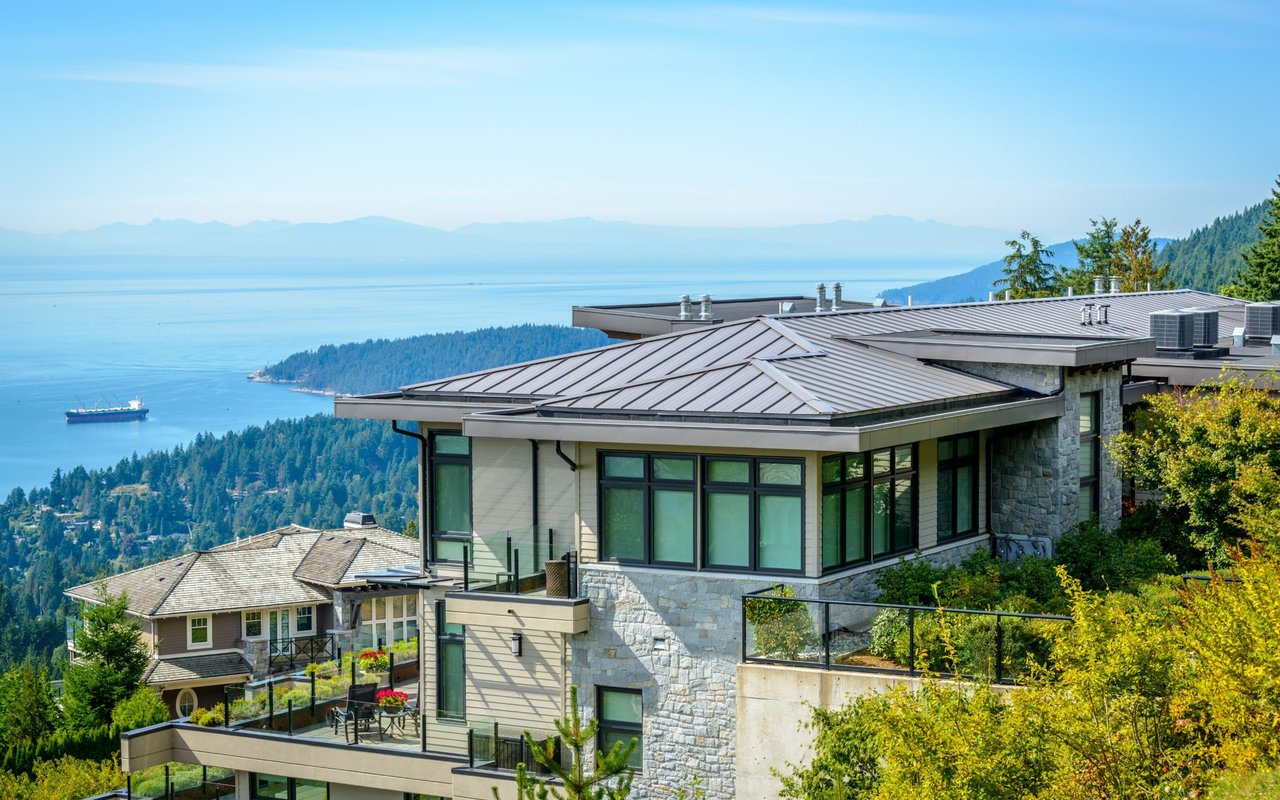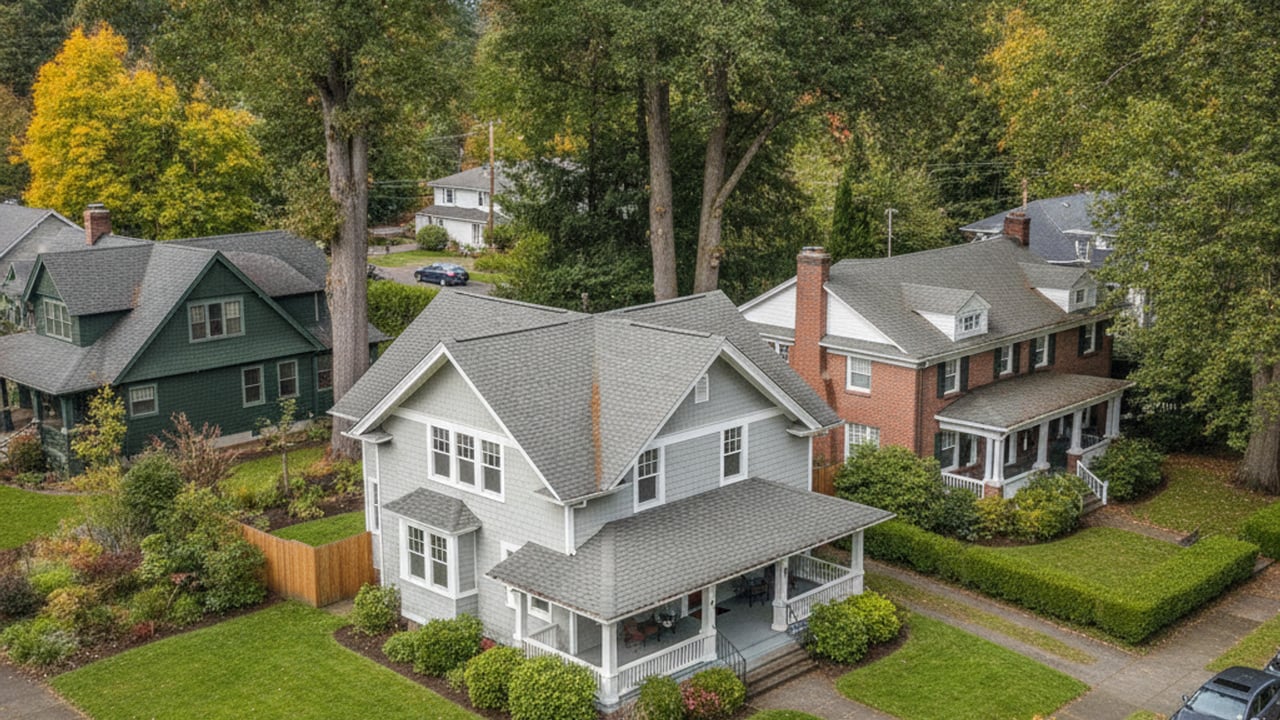
The median home price in the Portland metro area sits around $514,000 to $525,000 as of June 2026. This price point represents a stabilization after several years of market volatility, giving buyers more predictable conditions. Inventory has grown to about a three-month supply, which means homes sit on the market slightly longer and sellers face more competition.
When Investing in Portland, OR Real Estate, buyers will find that the state's urban growth boundary plays a major role in shaping the market. This boundary physically limits suburban expansion, forcing new development inward and keeping density high. This geographic constraint helps protect long-term property values by preventing endless outward sprawl.
The city's unique zoning code also encourages infill development, particularly middle housing like duplexes and triplexes. Recent changes allow multiple units on lots previously reserved for single-family homes, creating new opportunities for real estate development. Buyers should review local zoning maps to understand a property's full potential before closing.
Current Conditions for Investing in Portland, OR Real Estate
Portland's economy relies on major regional employers in the technology, apparel, and healthcare sectors. These corporate headquarters and medical centers draw a steady stream of new residents who need housing. When interest rates shifted over the past year, many prospective buyers chose to rent instead, keeping tenant demand strong across Multnomah County.
Investors entering the market this year face a clear choice between pursuing monthly cash flow and banking on long-term equity growth. With mortgage rates hovering in the mid-6 percent range, finding properties that cash flow on day one requires careful math. Buyers should factor local taxes and maintenance costs into their budget before making an offer.
The current inventory level of three months indicates a balanced market, giving investors more negotiating power than they had in previous years. Sellers are increasingly willing to offer concessions, such as buying down the buyer's interest rate or covering closing costs. Investors should work with their agent to identify listings where the seller has high motivation to close quickly.
Comparing the Pearl District and East Portland
Downtown Portland, OR offers a completely different investment profile than the neighborhoods east of the Willamette River. The Pearl District features high-density living, with a large concentration of condominiums and apartments. East Portland provides more traditional residential lots with single-family homes and space for additional structures.
- Pearl District Condominiums: This area attracts renters looking for walkability and immediate transit access. Investors should account for monthly HOA fees, which are standard for downtown buildings and directly impact net operating income.
- East Portland Single-Family Homes: These neighborhoods offer a lower price per square foot compared to the urban core. Many of these lots also accommodate accessory dwelling units, allowing owners to generate two rental incomes from a single property.
Major Employers and Commute Times
Proximity to employment hubs directly influences rental demand and property values. The Silicon Forest in nearby Washington County, OR houses massive campuses for Intel and other tech manufacturers. Meanwhile, Nike's world headquarters in Beaverton, OR employs thousands of workers who commute from various parts of the metro area.
Tenants frequently prioritize transit access when choosing a rental. The MAX Light Rail system connects downtown to the western suburbs, cutting the average commute from Beaverton or Hillsboro down to 20 or 30 minutes. Properties located within walking distance of a MAX station often experience lower tenant turnover.
Expected Returns and Vacancy Rates
Residential cap rates in the Portland market typically range between 5 and 6 percent in 2026. This return profile aligns with many other major West Coast cities, though individual results vary based on the property's condition and location. Investors purchasing turnkey properties often see slightly lower initial yields, while those willing to renovate can push their cap rates higher.
Average rental vacancy rates are holding steady near 5 to 6 percent across the metropolitan area. This low vacancy rate indicates that units priced accurately and maintained well tend to lease quickly. Looking ahead, local economists project a modest 2 to 3 percent year-over-year appreciation for Portland real estate, matching general inflation expectations.
Professional property management can help optimize these returns by minimizing downtime between tenants. Management companies typically charge between 8 and 10 percent of the collected monthly rent. Investors should weigh this cost against the time saved on tenant screening, maintenance coordination, and legal compliance.
Parks, Schools, and Neighborhood Amenities
Access to outdoor recreation is a major draw for Portland residents. Forest Park offers 5,200 acres of trails and woodland, while Washington Park houses the city's famous rose gardens and zoo. Homes located near these large green spaces consistently command a premium in both purchase price and monthly rent.
School district boundaries also shape single-family home demand. Properties located within specific boundaries of Portland Public Schools attract long-term tenants who prefer not to move frequently. Local retail corridors featuring grocery stores, coffee shops, and restaurants further increase a neighborhood's appeal and help reduce vacancy periods.
Local Landlord Laws and Property Taxes
Oregon enforces statewide rent control, and landlords must adhere to these annual limits. For 2026, the state caps maximum allowable rent increases at the lower of 10 percent or 7 percent plus inflation. Property owners must provide a 90-day written notice before raising the rent on any lease term longer than week-to-week.
Multnomah County also maintains specific tenant protection laws and eviction rules. Landlords must follow precise legal procedures to terminate a tenancy, and in certain no-cause eviction scenarios, they must pay tenant relocation assistance. Investors should consult with a local property management company or attorney to ensure full compliance with these regulations.
Taxes represent another major line item for those Investing in Portland, OR Real Estate. Multnomah County levies property taxes based on a property's assessed value, which can differ from its market value due to state calculation rules. Additionally, landlords generating rental income must account for Oregon's state income tax and specific local taxes funding regional services.
Frequently Asked Questions
What is the rent increase cap in Oregon for 2026?
The state limits annual rent increases to 7 percent plus the consumer price index, or a flat 10 percent, whichever is lower. Landlords must calculate this based on the official rate published by the state each September. You must provide tenants with a 90-day notice before the new rate takes effect.
Can you do short-term rentals like Airbnb in Portland, Oregon?
The City of Portland allows short-term rentals, but owners must obtain a specific permit and pay lodging taxes. You must also occupy the property for at least 270 days a year for a Type A permit, which limits whole-house investment models. Investors should verify zoning and permit availability before purchasing a property for this purpose.
Why do real estate investors look at East Portland?
East Portland generally offers a lower median purchase price than the downtown core or the western suburbs. The larger lot sizes common in this area make it easier to construct accessory dwelling units. Adding an ADU allows an investor to collect two separate rent checks from a single parcel.
What types of properties are worth buying in Portland in 2026?
Single-family homes with ADU potential and multifamily properties near MAX Light Rail stations remain strong choices. With the median home price sitting around $514,000 to $525,000, buyers should focus on properties that require minimal immediate repairs. Turnkey units near major employment hubs tend to lease the fastest and maintain consistent cash flow.